


GDC2018 showcases motion capture devices
This months’ Game Developers’ Conference (GDC) provided a demonstration platform for motion capture devices — popularly referred to as “mocaps.” GDC attendees were treated to motion-capture suppliers like Vicon, Xsens and others.
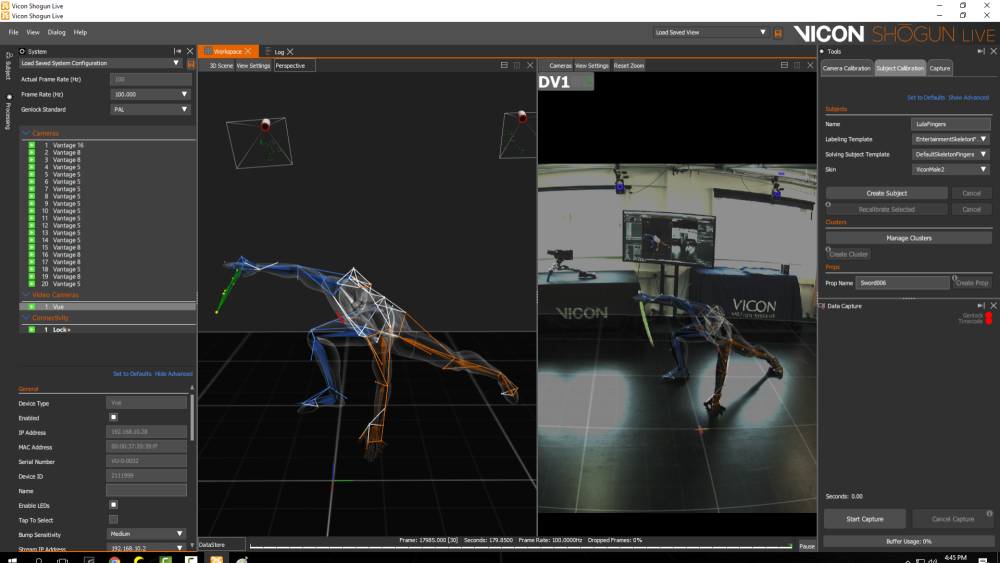
The ability to impose realistic “skins” on the wireframe models enable animators to use mocap images to substitute for an actual performer. This opens the way for many new applications. Animated figures could replace the camera-intensive images used for “instant replay” in sports arenas. Movie stuntmen performing dangerous acts (like “Spiderman” scaling the sides of a skyscraper) could be replaced entirely by mocap animated figures.
Video production studios like Disney and Universal are increasingly using embedded motion-capture sensors. Some use MEMS devices — microminiature gyros and accelerometers — to capture the intricate motions of dancers or karate-chopping fighters. The motion data is used to construct wireframe models on which animated figures are superimposed. The more sensors are used, the smoother and more intricate the motions captured.
“Motion capture (mocap),” Xsens explains, “is the process of recording the movement of objects or people. The technology originated in the life science market for gait analysis but is now used widely by VFX studios, sports therapists, neuroscientists, and for validation and control of computer vision and robotics.”
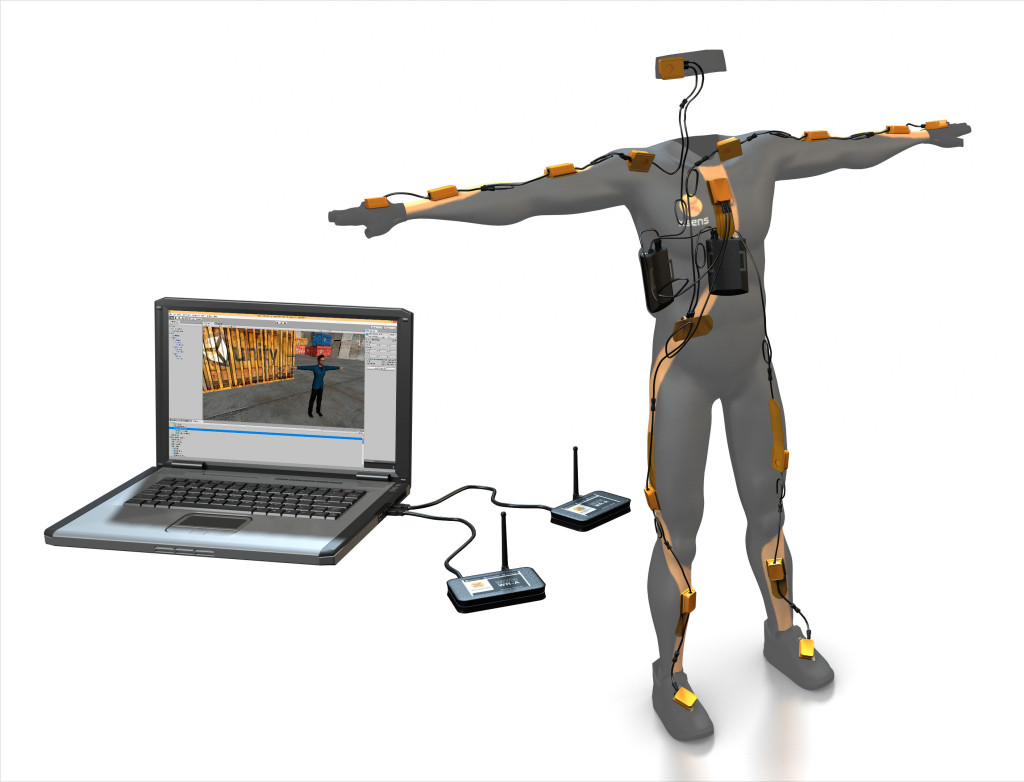
Xsens Technologies created six core application groups on its website, representing six basic types of motion capture applications, said business development manager Ole Bakker. These include
1. Biomechanics and Sports
2. Clinical Sciences
3. Object Tracking
4. Virtual Reality (VR)
5. Entertainment and
6. Broadcast
The means of tracking motion include:
· Optical-Passive, in which reflective markers that are tracked by infrared cameras. This mocap method is the most flexible and common method used in the industry.
· Optical-Active technique uses lit LED markers connected by wires to the motion capture suit. A battery or charger pack must also be worn by the moving subject.
· Inertial sensors do not require cameras except as a localization tool. Inertial sensors are worn by the subject and the data from the sensors is transmitted wirelessly to a computer.
Passive optical motion capture is the area where Vicon specializes. Within the passive optical market there are a variety of features to choose from, says. Consequently, Vicon’s customers include Epic Games, says Jeff Ordia, Vicon’s sales vice president. https://www.google.com/search?q=vicon&oq=vicon&aqs=chrome..69i57j35i39j0l4.37282j1j8&sourceid=chrome&ie=UTF-8
Xsens’ MVN movie program provides a number of options for character animation, with 3D motion capture for 3D. It supports low-budget productions with professional features, Special features include multi-person, with advanced scenarios, and the ability to export data as a movie.
Xsens’ toolset for video include an entire lycra suit with embedded sensors compete with strap-on sensor vests. Both provide a mesh with 17 sensors. Can provide sensor points for multiple actors. Distance from the sensors to a central access position can remain an issue. Outdoor range is 150 feet for a full lycra suit (with a big battery), but only 60 feet when compared outdoors.
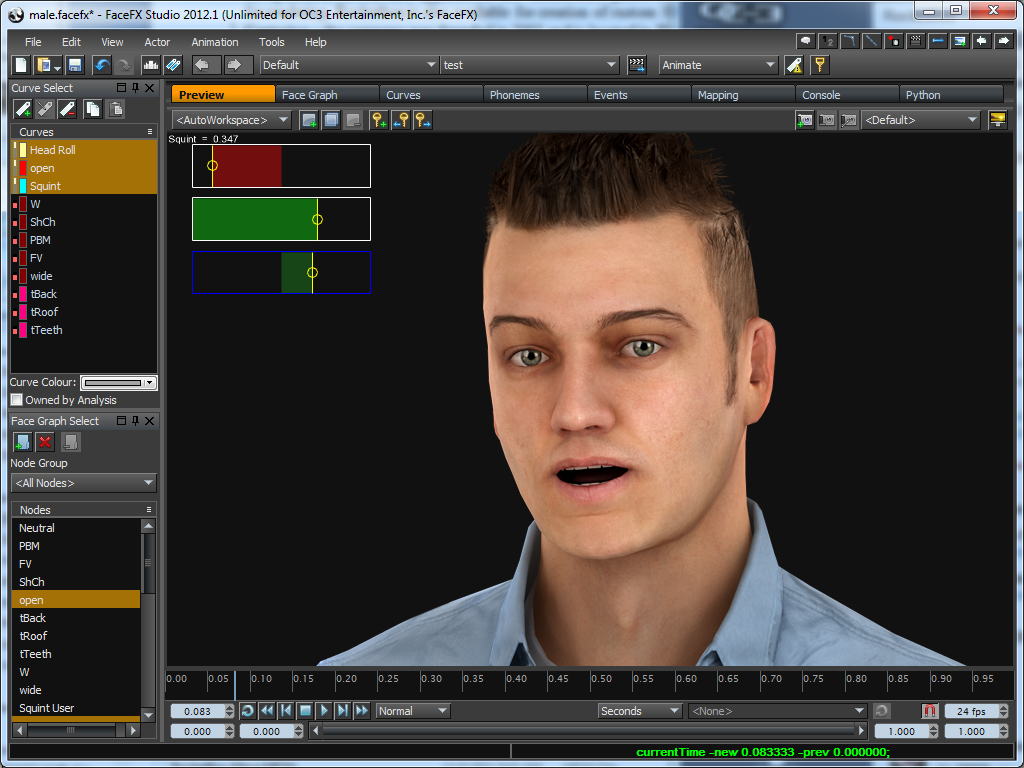
FaceFX from OC3 Entertainment, Inc. simulates facial expressions and gestures using a digitized audio file. FaceFx can eliminate the need for separate motion capture for animated features, says business development manager Doug Perkowski [[Insert interview clip on FaceFX]].
##
