


Berkeley EECS Research Symposium 2011
February 17, 2011 – Berkeley, CA – On a very well attended and wet day in Berkeley, the Electrical Engineering and Computer Sciences department held its annual research conference overview for the industrial and financial community. The theme was Bringing intelligence to tomorrow’s client/cloud platform.
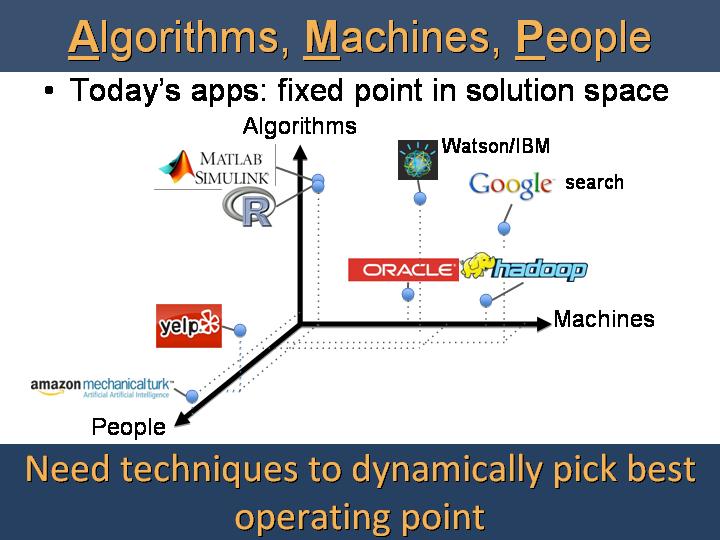
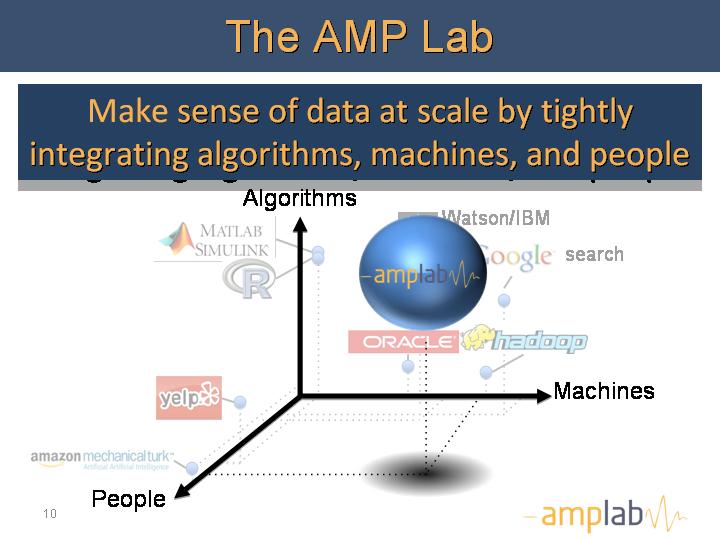
The conference started with a discussion by Dr. Ion Stoica about how to view the data that’s now being brought into the networks. Big data is really large in today’s environment. For example Facebook is bringing in 130TB per day in user logs and 200 to 400TB per day in video; Google is processing over 25TB per day and the data generated by the LHC is 1PB per sec. The total data created in 2010 is 1 ZettaByte which is 1 million PB. This data so large and is primarily un- characterized and un-managed, that it is very difficult to extract any useful information from the enterprise. Berkeley is started a program called AMP which is based on algorithms, machines and people working together to create a useful method all storing managing and analyzing such data.
AMP Program Option space
AMP Program optimization solution
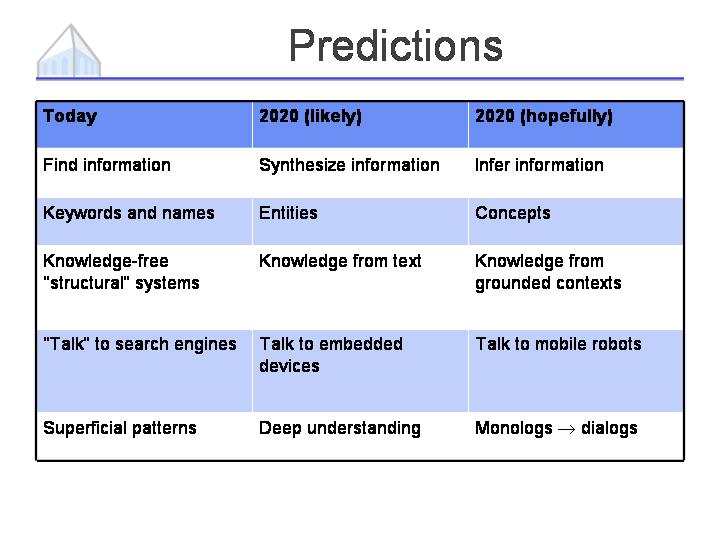
The second talk was by Dan Klein of the Natural Language Processing group. They are addressing of the challenge of understanding language and finding a way for computers to do so also. The issue is to be able to address the deep understanding of the language expression or phrase which requires the context, linguistic structure and meanings of the words not just the objective review of the data and standalone words in a phrase. This has application in voice recognition, and search engines to help find relevent information that may be located in multiple places.
Klein – Program goals
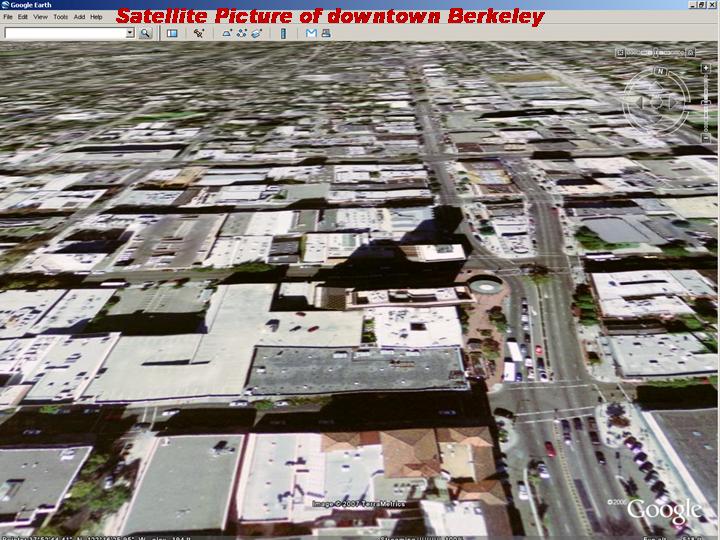
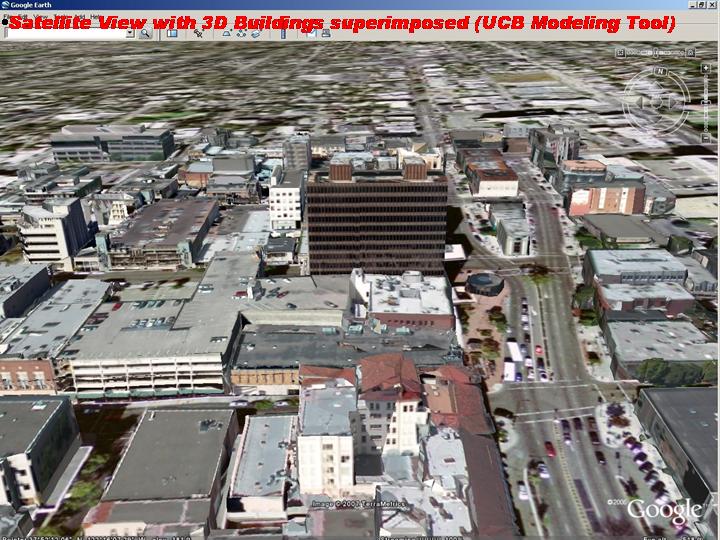
The next talk was by Avideh Zakhor which was focusing on augmented reality with client/cloud plot’s platforms. The idea of augmented reality is to use computer information that exists locally, or in a cloud, to supplement and enhance images with information you are seeing in real time. Examples are a photographed street with buildings and the augmented reality will give you information about what stores are in that building and information about their products. This can also be used for additional areas such as navigation and mapping to create realistic three-dimensional views from normally flat satellite imagery. Another area this is being used is to create familiar objects such as heads up displays for cars and aircraft as well as the familiar football field overlay marking stripe for first down and line of scrimmage, that are used in sports broadcasting. These are all examples of supplemental computerized data that are put into live video situations that have impact on being able to add new context to a view, to help simplify the understanding of the view. This technology can be used for object location, GPS and mapping, objects search, personalized shopping and a host of other applications and has be cited by those in the mobile community as the next billion-dollar application.
Standard Satellite image
Enhanced Satellite photo
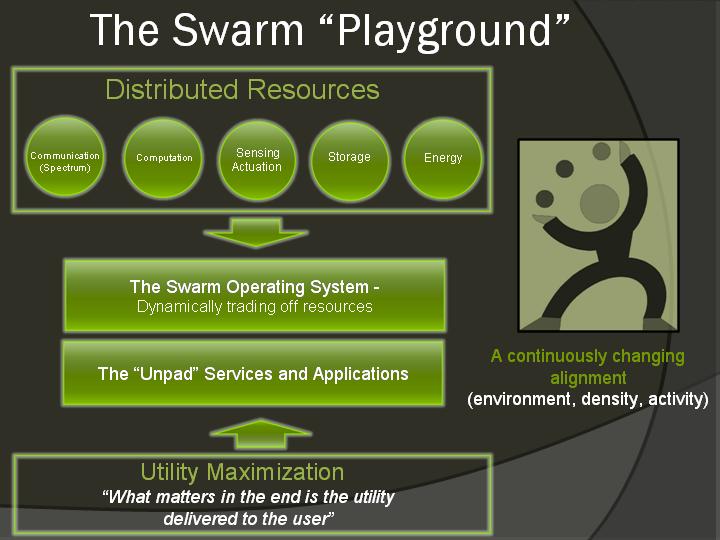
The last morning talk was presented by Mr. Kris Pister & Jan Rabaey talked about the sensor swarm at the edge of the network. This idea was the expansion from the 1992 ISSCC keynote by Dr. Brodersen that talked about the info pet project were computing and wireless access would be ubiquitous to the environment. The sensor swarm concept is to have trillions of wireless self- powered sensors that can monitor all the conditions in a known environment such as temperature, motion, humidity, pressure and operate actuators to help augment the reality of people in that area. This always available augmented reality, will be enriched with sensory input actuation and control for output, and on body and surrounding body devices to improve the experiences in any situation by providing information that is not immediately available through the normal sensory system of those people. The Berkeley Sensor group will be addressing this issue with a rebuilding of an entire floor of the election engineering building to include a post-silicon lab, a new Photonics Lab, a nano mechanical lab, and a swarm hive which is going to focus on applications and operating systems to handle the many sensors. The work in the group is based on several simple principles including in a connect in the world, functionality arises from connections of devices” and “the dynamic nature of the environment, the needs and the resources dictate adaptive solutions”.
After the presentations, the attendees were distributed into different groups of research at the UC Berkeley campus. I had the opportunity to attend the E3S Center which is the center for Energy Efficient Electronics Science. This technology Center was established in 2010 by the NSF and is currently wrong by Prof. Eli Yablonovitch. They have a number of programs going on in both micro-and nano electronics. Some of these include the study of new materials, photon X., MEMS devices that are being used as both logic devices and traditional switches, and just traditional cultural low power operational techniques that can be applied to the current generation semiconductors. Their focus is to reduce the energy per bit of a function by a factor of 1 million.
Copies of the research presentation and links to the apartments and research projects can be found at http://www.eecs.berkeley.edu/BEARS/
pc
