


Virtual Reality at E3 – Dylan Chatterjee
June 2015, There were a number of different companies that had their own virtual reality experiences represented at E3 and they varied from very interesting and promising to not so great. . Each company adopted a different approach for their VR technology. The technology offerings from AntVR, Vuzix and Oculus were evaluated for this article.
Ant VR headset
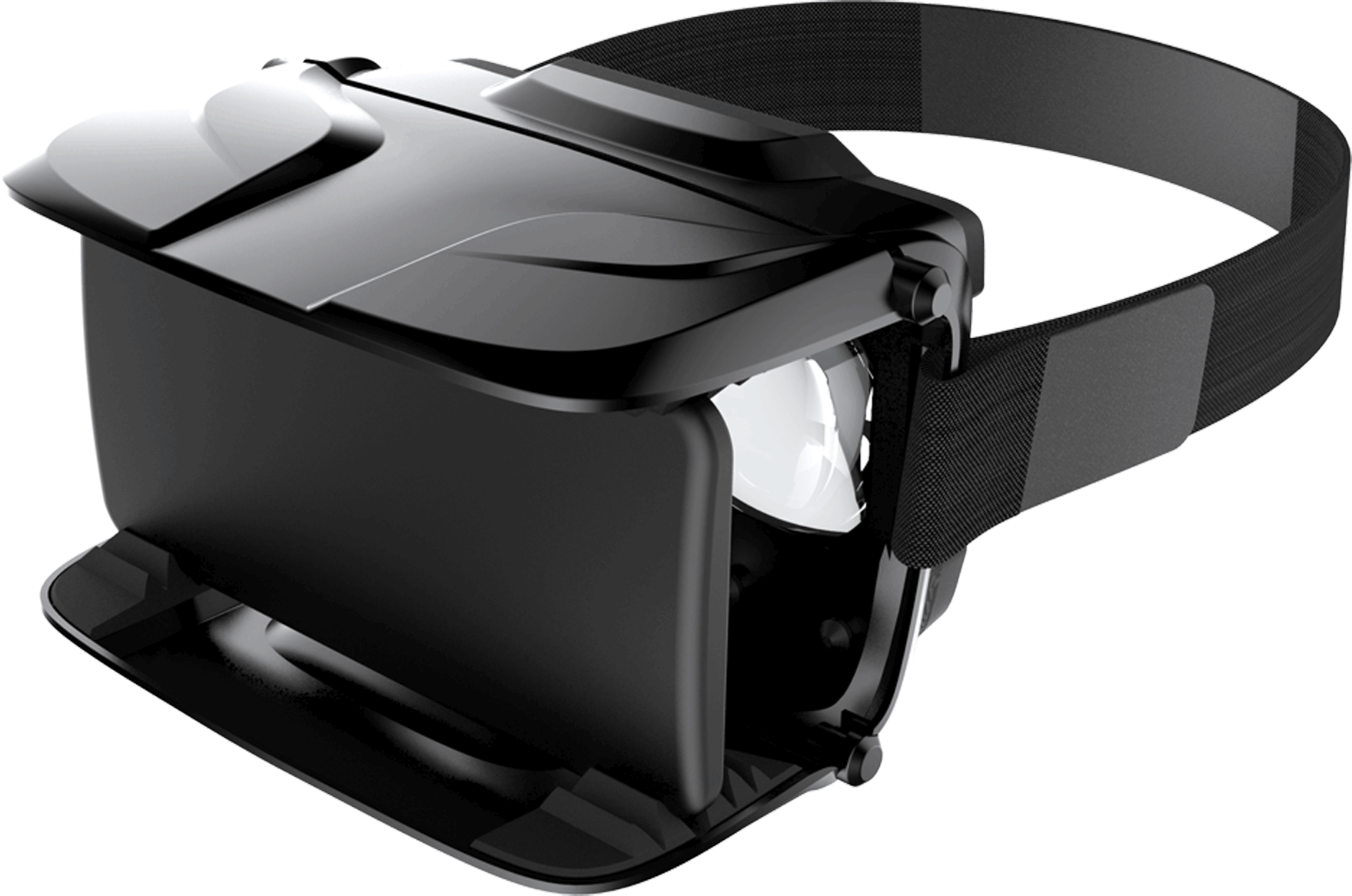
AntVR is not a company everyone will know immediately in the VR space. Their product is a VR headset that is cross platform compatible with PC, Xbox, PS4, and Android, which is not something that Oculus, nor Sony’s Morpheus can say. They offered two headset options; a wired headset that was connected via HDMI and a wireless headset. The demo was not a full game per say so much as a tech demo and it left a lot to be desired. There was a noticeable amount of latency when you would turn your head, and the demo didn’t calibrate it’s orientation when the headset was handed to me to be put on, so I had to turn my chair completely around because when the demo was turned on, the headset was facing the other way, so I had to match that orientation to see the “front” of the tech demo. Another issue that was run into was that AntVR’s headset could not accommodate glasses which is a massive oversight and detracted greatly from the experience of enjoying their headset. These points might seem minimal, but small errors like these can kill a product in the long run. AntVR is still in its early stages however so these issues may be ironed out by the time the headset is rolled out.
Vuzix VR headset with Headphones
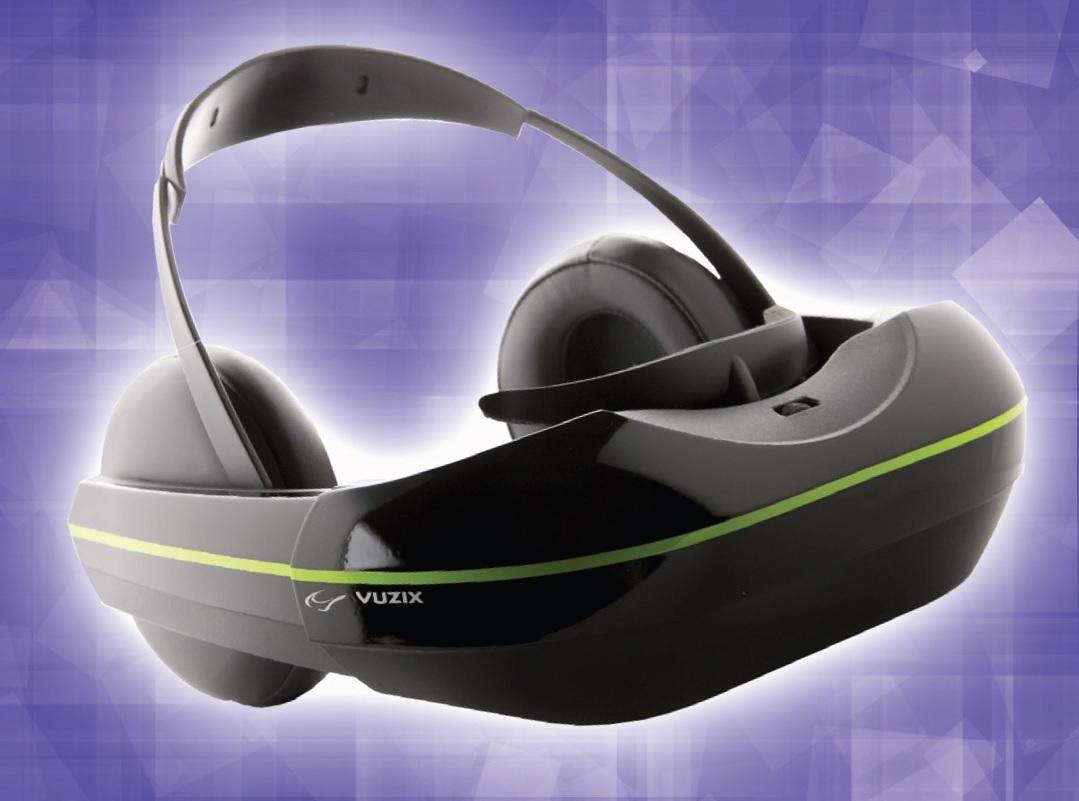
Vuzix is a company that had both an augmented reality technology as well as a virtual reality headset. The AR technology was not running at the time of the demo so the focus was on the VR headset. Their headset is somewhat unique in that it has headphones built into the headset, so you don’t have to worry about fitting over ear headphones around the VR headset, which can make taking the headset off more difficult at times. It is also a cross platform VR headset and it works with anything that you can plug an HDMI cable into. One nice advantage for Vuzix’ technology is that they offer Unreal Gaming Engine support as well as Unity 3D and OSVR support. The Vuzix headset demo was not simply a tech demo, but a fully-fledged game that was running through the headset. There was no noticeable latency with the headset like there was with the AntVR demo, but I did notice a similar calibration issue. In order to look straight ahead, I had to turn my head at an awkward angle, which was especially annoying for the type of game that was being demonstrated as it was a sort of endless runner where all you wanted to be doing was looking ahead to control your character. I would again attribute this problem to the lack of a calibration feature, which would adapt to your orientation when the headset was handed to the tester.
Oculus Rift VR Developer Kit 2
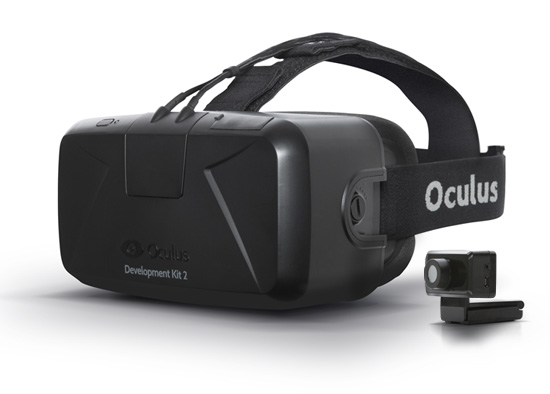
Oculus is a name that everyone familiar with VR will know, they’re considered by many to be the main contender in the VR space. Their popularity was noticeable because not only did they get their own booth, but many of the VR accessory booths were using Oculus’ headsets to run their accessory demos. The oculus headset was definitely the best of the headsets tested. The picture was extremely crisp, not to say any of the headsets tested had poor pictures, but Oculus’ picture was noticeably better. There didn’t appear to be any calibration or latency issues like there were with the other headset demos. However at the end of the demo, I was left less than amazed. Th problem with all three VR demos was that it wasn’t really clear what the VR experience was each company was aiming for. The demos didn’t get across a clear vision of what VR will bring to the total gaming experience, it just felt gimmicky, focusing more on showing off the headtracking and the fact that the headset made it appear you are ‘inside the game’. The problem was that none of them seemed like something that would be usable for an extended gaming session of more than an hour or two max before your head would start to hurt and your eyes dried out. Out of all the VR experiences at E3 Oculus came out on top, but they still didn’t validate VR as the future of gaming like many believe it to be.
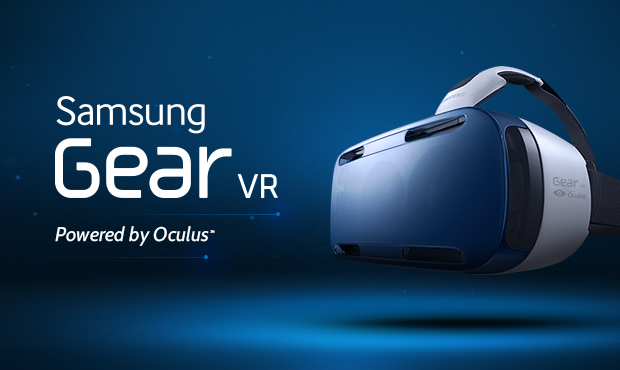
Oculus VR was at E3 in the Samsung Gear VR headset also
What the entire VR portion of E3 demonstrated was that VR is a promising space, but it hasn’t figured out the best way it can be utilized yet. Most VR companies are just saying it is how all games will be played in the future, but that seems unrealistic. VR puts you at the center of what’s happening and there is no doubt that immersion can create is truly a unique experience. Not all games need to be immersive. A first person shooter like Call of Duty isn’t supposed to be immersive, it’s a casually competitive shooter, people won’t want to be immersed if it’ll make them play worse and if they can only play the game for an hour before they get a headache. It reminds me of when the first 3D glasses were sold for 3D television. After about an hour you had enough and had to take a break. However it is easy to imagine that applying a VR technology to a story driven game with atmospheric experiences such as, visual novels, horror games and things that thrive on you feeling like you’re living the experience are where VR are likely to find some success.
