


Music Software takes the Floor – NAMM 2011
January 15, 2011 – Anaheim, CA – This years NAMM show featured its first ever tablet and smart phone pavillion. This featured over a dozen companies with software for music synthesis, playback and training on the iPhone/iPad platform and also for netbooks/laptops and tablets. Most of the companies were planning to be on the Android platform as the smart phone and tablet base solidified.
Some these products were straight forward such as the Midi Player 2.0 for the iPhone which lets you load free public domain Midi files on the iPhone and select which voices to drop out so you can use them as background for singers and instrumentalists. Some innovative new products for these mobile platforms included the iTrump and iBone apps from SpoonJack. These are trumpet and trombone simulators that use multi-touch on the iPhone and the iPad to both simulate playing the instruments for free improvisation and music creation as well as play-along for learning fingerings & embouchure. For the PC platform, Music Reader showed their new version of their PDF music display system. Supporting foot control, for page control & turning, as well as music scanning into the format. The product was demonstrated on the convertible laptops with fold back screens, and the product also works with Win platform tables that support USB connections, and can be used in educational applications with projection displays.
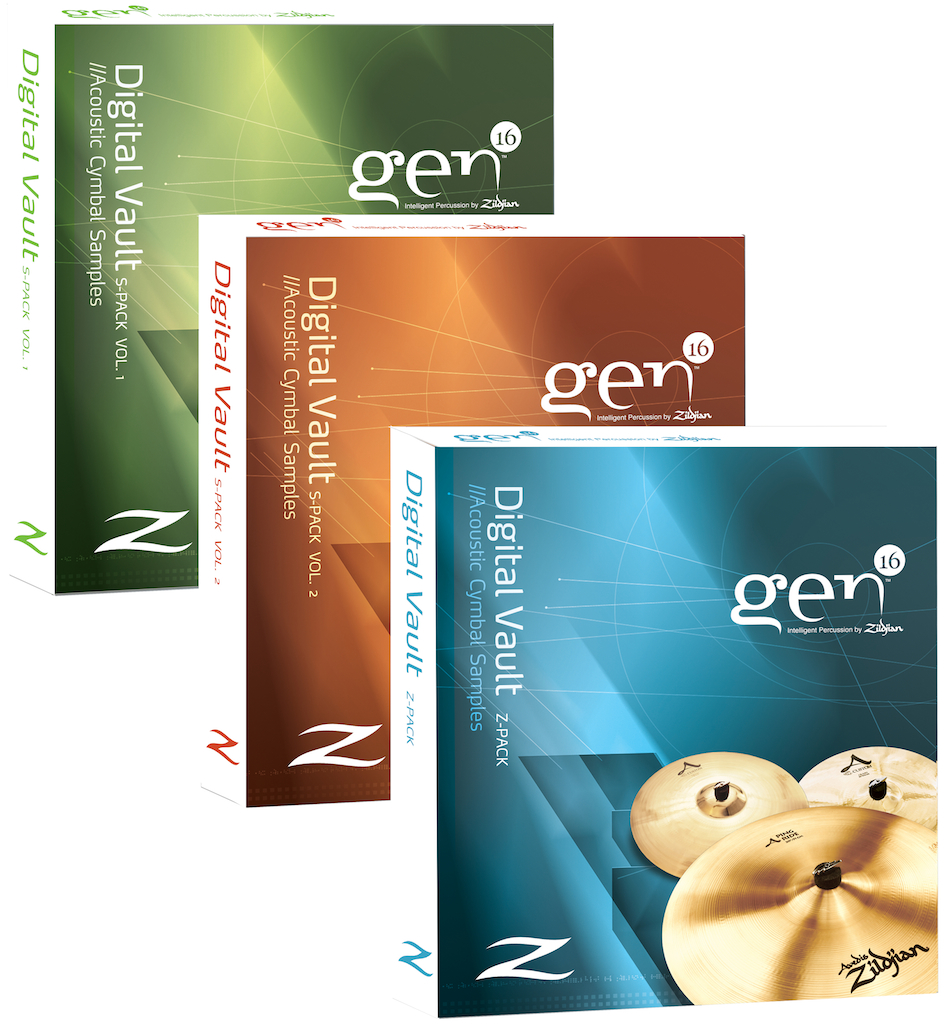
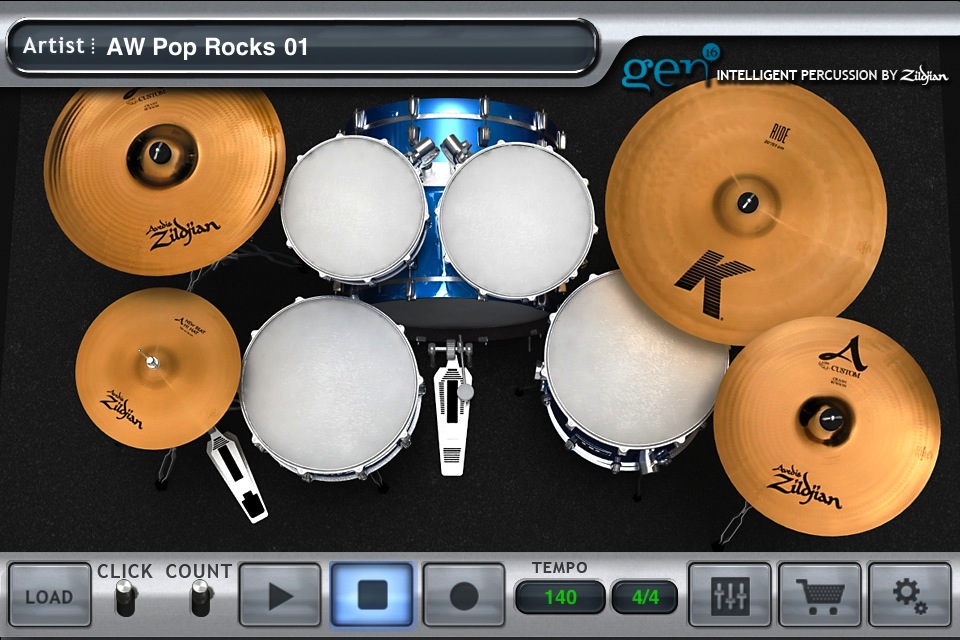
The folks at Zildjian had a number of new software products and a new division GEN 16. The new GEN16 product line is targeted at electronic musicians and composers. It is centered around a digital vault library of sampled cymbals. This set of disks contains classic and historic cymbals from the Zildjan vaults and the samples contain up to 14 of the most popular Zildjian cymbals recorded at the highest quality with multiple velocity layers for the bell, bow, and edge of each cymbal in addition to multiple articulations of stick, mallet, and brush. There are multiple packs supporting the A series, K series and FX series cymbals. These cymbal packs can be used with most of the digital workflows ( Protools, Sonar, Cubase, etc), sampled keyboard systems and electronic virtual drum systems. They also released a Groove Players App for the iPad and iPhone. which features recordable percussion based on the multi-touch screen interface, and also a full mixer/playback to be able to build on and create new grooves. There are a number of artists who are contributing to the groove libraries to build the reference base and provide core grooves for overlay with other instruments.
On the workflow / creation / recording / mixing side, the historically divided camps of CuBase (Steinberg/Yamaha), Protools (Avid), and Sonar (Calkwalk/Roland) are all looking similar. The recent releases have removed the “hardware accessory locks” and these tools can now use mic input, effects modules and interface controllers (keyboards / mixers) from multiple manufacturers instead of just thier own hardware. The GUIs for the new releases are similar – all featuring two main screen setups – one for mixing using a traditional virtual mixer with preamp control, sliders, peak meters, etc and one with a data waveform view for the multiple tracks being processed. The products while showing similarities still have different targets – ProTools is still targeting the sound capture & mixing marketplace, and Sonar & Cubase are targeting the creative creation from their vast Midi & VST libraries and real recoding. All three tools support both areas, it is primarily the direction of the user (coming from the recording side = Protools, coming from the composition side = Sonar & Cubase) now that all the products have settled on Intel processors and USB / Midi / firewire interfaces. The current releases of these products are ProTools Version 9, CuBase Version 6, and Sonar Version X1.
Rounding out the software base were a large number of products, most of which were available on both Mac and PC platforms, with VST instruments, Midi instruments and continuous linear instrument models. These supplimented the growing trend in learning software and the on-line presence for instrument tutorials allowing private teachers to reach a large audience in a cost effective manner in a time of cost cutting on music education in schools.
PC
