


Intersolar – Power and Management
July 11, 2011 – San Francisco, CA – At the Intersolar conference (the PV portion of the Semicon West show), in July, a lot of new technology for solar systems was introduced. The trend is for not just residential and commercial Photovoltaic (PV) systems that are tied in to the power grid to offset costs, but also power generation that is standalone to battery storage banks and hybrid systems (called grid interactive) which both tie to the grid and support battery backup when the power grid is not available.
Outback power systems introduced their new Grid Interactive Inverter and thier new Mobile inverter. The Grid Interactive system simplifes the design and implementation phase by having a modular deign to allow for expansion of the PV portion and the battery portion. These systems are regularly used by data centers and other critical path appliactions that cannot tolerate a loss of power from the grid going out (black out, brown out, or load shedding) and utilize a battery bank for the backup. The battery systems are preferred to a generator type business as it remains a zero carbon footprint solution as well as being a silent backup solution similar to the power generating phase.
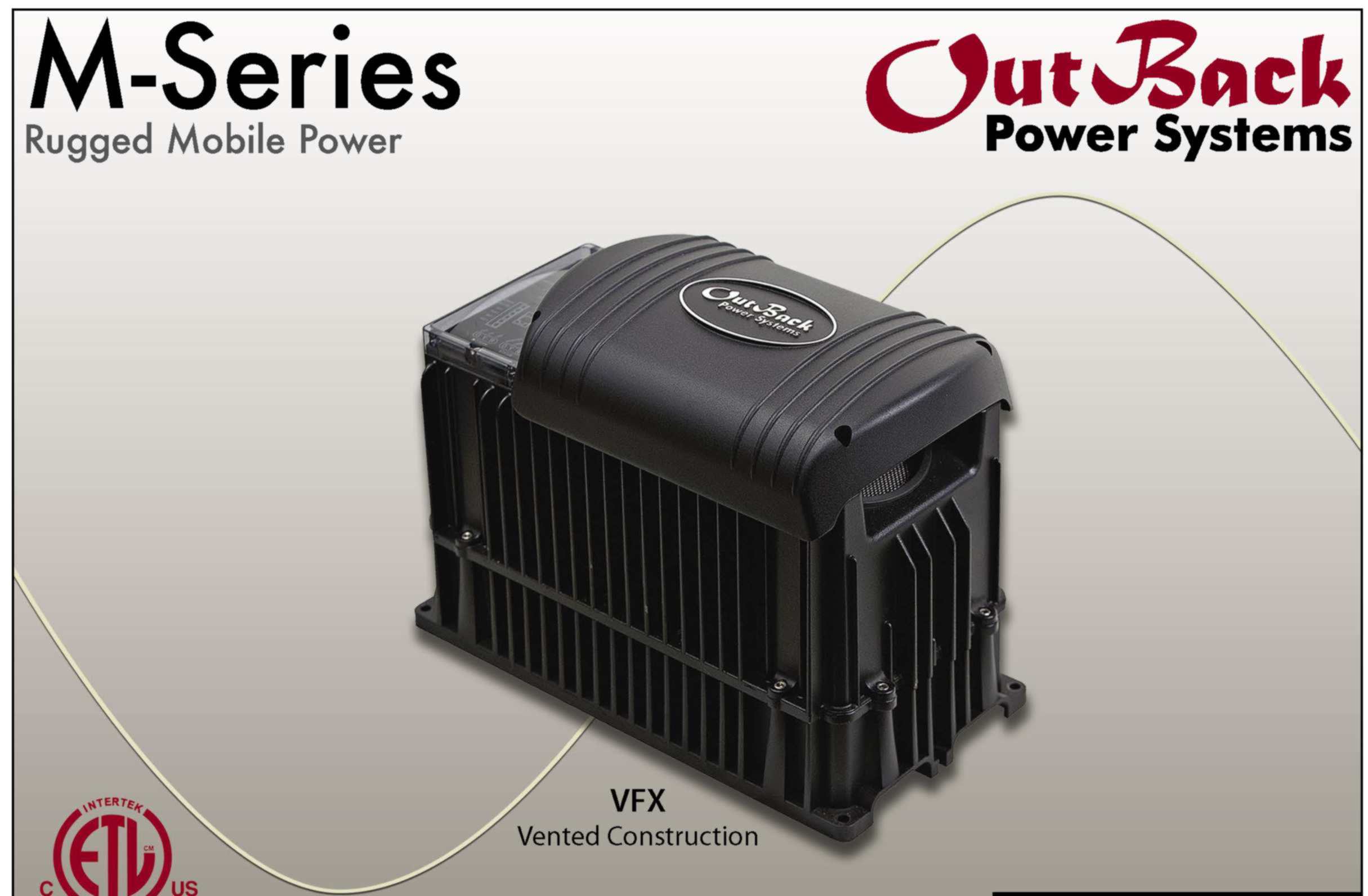
In addition to the Grid Interactive Inverter, they also were showing a mobile inverter (figure) solution that is targeted at smaller portable PV systems (under 3.5KW). In the content capture arena, this sort of solution will support a Storage Array Network (SAN) application for a file based digital work flow in a remote location. 3.5KW is a panel strucutre that is portable and can be construcred on -site to support either live TV coverage, with lighting, or video capture in a remote location where it is not possible to bring other forms of remote power and the fossil fuels to consume during the event.
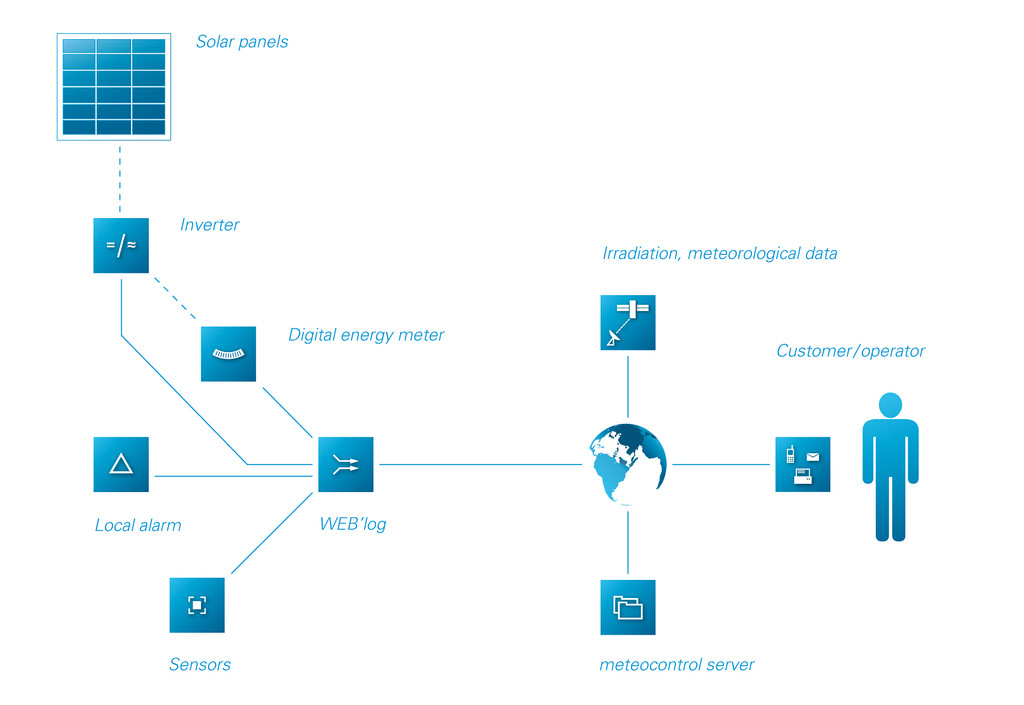
To help monitor and manage the use of these and other PV systems, Meteo Control has a new cloud based monitoring product that creates and tracks realtime power output data from both the panels and the inverters in a system. The system can incorporate weather data into the systems and allow for determination of system performance, not against theoretical, but based on simulations in the context of the weather, type of system and time of day. The new version for individuals allows for remote analytics and review of the PV systems in the cloud where all the data is stored and analyzed. This system allows a business office to even track a mobile PV systems that may be in use. It is vendor agnostic as to the panel, and inverter used.
Pc
