


TechCrunch Disrupt – Diversity in software and hardware
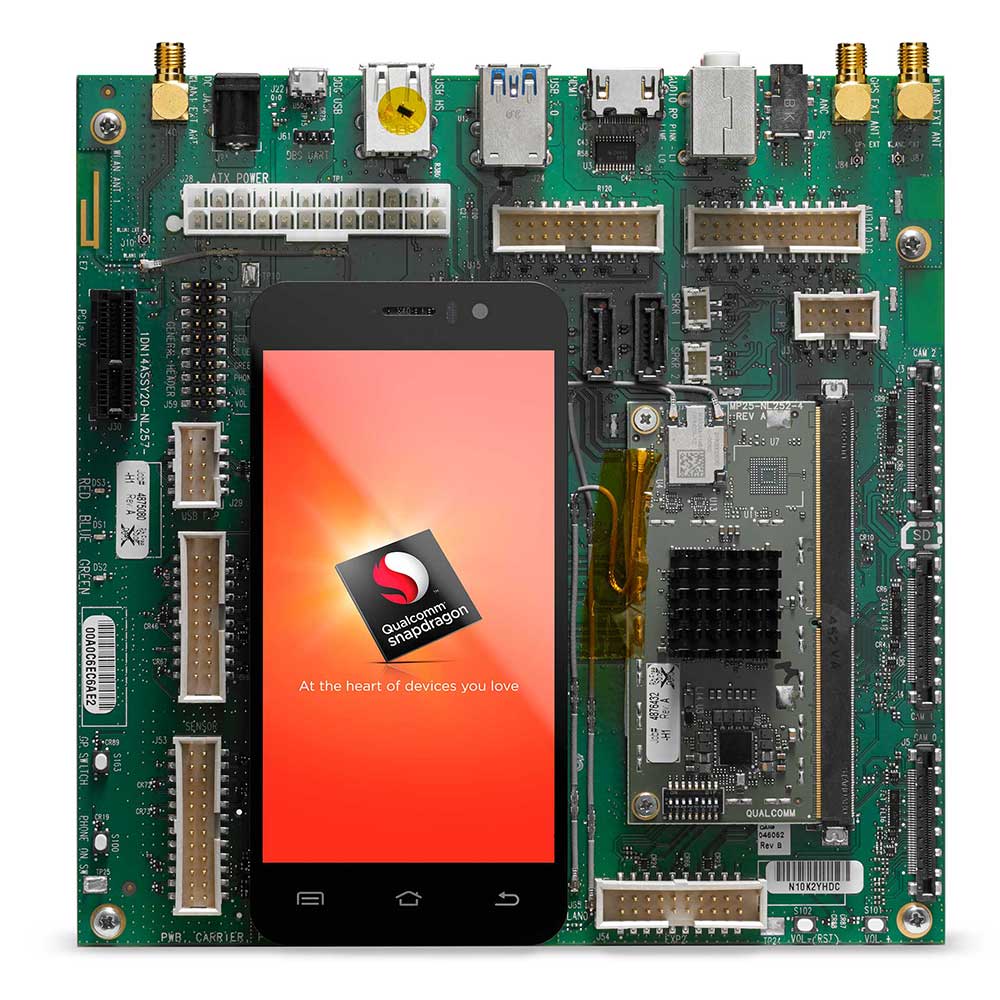
September 2015 – The 2015 TechCrunch Disrupt event was heavily dominated by social media and mobile apps leveraging the open source and vendor library environments that are present for Linux, Windows, Android and iOS devices. The applications covered most of the sensors and interfaces in mobile devices – microphones, speakers, motion, GPS, and video. There were two notable exceptions to the core mobile device for applications – Ford and Qualcomm. Ford was showing their Sync3 system for their vehicles and the associated SDK. This booth was showing top applications that had been developed for the vehicle, and presenting their SDK and reference development hardware platform for coders to be able to create new applications and test them on the platform. Qualcomm had a number of partner sub-booths that were showing off custom development platforms. Based on the Snapdragon processor cores and combined wireless connectivity (Wifi, BT, NFC, etc that are non-cellular baseband) Intrinsyc and Inforce were showing their custom modules for inclusion in drones, robots, industrial machines and control systems.
Intrinsyc Snapdragon Development Board with optional LCD display
On the infrastructure side supporting this mobile community was WebPass. Webpass was showing their building based high speed WiFi solutions and their upcoming direct fiber solutions to residences and offices. The WiFi solution is targeted toward building owners as it is a multi-tenant solution that supports multiple segmented physical area domains and sub-nets that controlled through a common management and administration platform.
A number of companies were in the content space including VR and AR applications. On the advancing of this market, professional special effects company New Deal Studios that was showing a music video they produced that featured full 360 story and music that moved with the movement of the headset. The piece was shown on a Samsung Gear headset and featured S3D imagery. The video can be found at http://www.galvanizedsouls.com/virtual-reality-1/. The video is an example of what the higher end planning and story construction as well as professional level post production & editing can bring to the VR marketplace as opposed to the majority of the content being produced which looks like shoot & post-to-web with no composition or editing in the flow.
On the AR side there were two standout companies – Membit and Parle Innovation. Mbit was showing a tablet application for AR that allowed the user take a reference location based on the surroundings and leave a message or image/video to be played back later when people returned to the site. By creating a new image/framing of the scene by matching objects in the camera, the visual will call up a message that was recorded originally. This is currently being targeted at consumer applications, but is being looked at for enterprise functions. Parle Innovation was showing their EyeQ product. It is a visor style holder view for AR that allows the user to record a view of action is a more normal viewing environment than holding smartphone at arm’s length. It has integrated controls for the phone to manage the start, stop and zoom functions of the video and provides a clear full screen view of the image being recorded.
On the multiplatform side, Desert Research Corporation was showing their sensor based nationwide weather system that includes calculated wind and temperature gradients that can affect roadways and airways. This information is updated on a real-time basis, and can be exported for use in real-time prediction and control. Applications looking at this solution include drones, fleet management and agricultural clients.
Finally, Saife was there talking to companies about their API based security solution. While it is a developer product that requires integration into a product, there was interest in the product at the event following a strong positive reception at the event’s hackathon.
