


Enterprise AR at AWE
June 2016 – At Augmented World Expo, the Enterprise AR session addressed some of the practical issues to adopting the new technology and bringing it into the enterprise as part of the IT flow. Augmented Reality is currently being adopted and developed for the commercial enterprise space as both an advanced visualization system and as a general information display platform. However adoption on a company wide basis has logistical challenges that need to be addressed before adoption.
One of the very first questions that needs to be addressed prior to implementing an AR solution, is “when you map the workflow and process that will be in the AR environment, does the 3D content exist?”. Historic workflows were documented on paper and in text based programs rather than visual and graphic format. For the AR systems to work, not only does the 3D graphic data have to exist, but the metadata that describes and tags the content also has to be available. For most products that have existed in the market for over 10 years, the electronic form of the documentation is either non-existent or insufficient for use in modern high resolution AR systems. In these scenarios, the data has to be created with professional content creation flows as are used in the Media & Entertainment industry which is not a free cost for the program. At this point, even the selection of which historical products will have their documentation converted and how the new format will be maintained in document control with “legacy” products has to be determined and the costs allocated on a going forward basis.
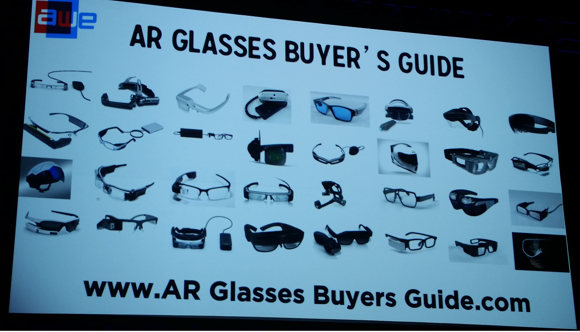
The IT group has a number of issues to address in looking at the systems. There are a large number of AR solutions, and they are not interoperable. They offer different resolutions, feature sets and compute resources to drive them. This results in the IT department first having to develop the criteria for evaluation of the products and then determining a secondary criteria for the selection process. This assessment is both for the hardware and software of the system as well as a sustaining support model from the supplier.
The software has the tradeoff of build or buy. If they build, is it with open source or proprietary models and the IT group as to determine what the on-going support costs for revisions and migration to new hardware. A number of the AR systems have a framework for support of the graphics data, metadata and control functions. This framework support has an associated cost of support in addition to the content data for the application. The frameworks also tend to have a learning curve to operate for the user.
Operational details of the company also have to be considered for the selection of the AR platform. Does the application and environment require OSHA compliance? What is the battery life vs the use model? Is the battery rechargeable and replaceable? Does it need to be stocked for replacement? Is it a standard SKU for other items in the IT inventory? What is the charging mechanism? What is the OS that is being used? Is the software compatible with the IT data security solution that has been implemented by the company?
These and many more issues are practical considerations that IT has to address to bring the functionality into the enterprise space. While the hardware is considered ephemeral due to the pace of innovation in the display and sensor marketplace, it is the single limiting factor in the selection and adoption by the enterprise.
